Discover the Rich World of Spices in Indonesia: A Guide to Its Potential and Unique Flavors
Introduction
Indonesia has long been known as a spice hub. From ancient trade routes to today’s global markets, its spices tell stories of exploration and exchange. The so-called Spice Islands are famous worldwide for their aromatic treasures. These spices fuel kitchens all over the globe and carry deep cultural significance in Indonesia. They are more than just flavor enhancers; they hold medicinal value and cultural identity. Discovering Indonesia’s spice potential unveils a world of vibrant flavors, economic opportunities, and tradition.
The Historical Significance of Spices in Indonesia
The Spice Trade’s Impact on Indonesian History
Spices like cloves, nutmeg, and mace once turned Indonesia into a trading powerhouse. European explorers and colonizers valued these treasures highly. The Dutch and Portuguese fought over control of the Spice Islands, shaping Indonesia’s history in the process. These spices helped boost local economies but also led to conflicts and foreign influence. Today, the legacy of that history is reflected in Indonesia’s rich spice culture.
Cultural Integration and Traditional Uses
Spices aren’t just used in cooking—they’re woven into village rituals and festivals. Many communities use spices in offerings, ceremonies, and traditional medicine. For example, turmeric is a staple in healing rituals, while cloves symbolize peace and prosperity in certain ceremonies. These practices keep the deep connection between Indonesian culture and its spices alive.
Key Spices Native to Indonesia
Cloves (Caryophyllus aromaticus)
Cloves are the star of Indonesia’s spice list. Originating from the Maluku Islands, they grow in warm, tropical climates. Their unique aroma blends sweetness with a hint of bitterness. Indonesians use cloves in curry recipes, teas, and traditional medicine to treat ailments like stomach problems and toothaches.
Nutmeg and Mace (Myristica fragrans)
Nutmeg and mace come from the same tree but have distinct uses. Nutmeg is the seed, while mace is its dried covering. Grown mainly in Banda and the Maluku Islands, they add rich flavor to both savory and sweet dishes. Nutmeg is known for promoting digestion, and mace is used for its medicinal properties, such as reducing inflammation.
Turmeric (Curcuma longa)
Turmeric is a bright yellow spice essential in Indonesian cooking. It has anti-inflammatory benefits and is often used in sauces and rice dishes. Turmeric farming thrives in Java and Sumatra, where traditional farming practices persist. It also plays a role in herbal medicine, helping with skin conditions and healing wounds.
Ginger (Zingiber officinale)
Indonesia grows several ginger varieties like fresh, dried, and pickled. These gingers add heat and punch to dishes or serve as herbal remedies. Ginger is also popular in beverages like tea and traditional tonic drinks, often used to boost immunity and soothe digestion.
Lemongrass (Cymbopogon citratus)
Lemongrass is a fragrant herb commonly found in Indonesian kitchens. Growers harvest it from Bali, Java, and Sumatra. Its citrus scent enhances soups and curries and is believed to have anti-bacterial and calming properties. It’s also used in herbal teas and natural remedies.
Other Notable Spices
Beyond the top favorites, Indonesia also produces cardamom, galangal, coriander, and different turmeric varieties. Cardamom brings a sweet, floral flavor, while galangal adds a spicy edge similar to ginger. Coriander seeds are used in spice blends and pickling. These spices all contribute to Indonesia’s diverse culinary heritage and hold potential for export.
Cultivation Areas and Agricultural Practices
Major Spice-Producing Regions
- Aceh: Known for its aromatic cloves and nutmeg.
- Maluku Islands: The birthplace of many spices, especially mace and nutmeg.
- Sumatra: Produces large quantities of ginger, turmeric, and lemongrass.
- Java and Bali: Grow a variety of spices like turmeric and coriander.
The region’s lush climate and fertile soil make it ideal for spice farming. Many farms still follow traditional methods, blending old techniques with modern innovations.
Sustainable Farming Techniques
More farmers are turning to organic practices, reducing chemical use. These methods improve spice quality and protect the environment. Climate change, however, threatens yields, prompting farmers to adapt through better irrigation and crop diversity.
Export and Domestic Market Trends
Indonesia exports millions of tons of spices each year. Major markets include India, the Middle East, Europe, and the US. As global interest in natural and organic products rises, smallholders see new opportunities. The demand for Indonesian spices keeps growing, encouraging sustainable farming methods.
Economic Potential of Indonesian Spices
Domestic Market and Culinary Industry
Locals love using fresh spices in traditional dishes like rendang, satay, and sambal. The growing popularity of Indonesian cuisine worldwide boosts local spice sales. Spices also find their way into health products such as herbal teas, supplements, and essential oils.
Export Opportunities and International Markets
Indonesia’s spices are in demand globally. Countries like India, the US, and Middle Eastern nations import large quantities. Trade stats show steady growth, opening doors for small farmers and cooperatives. Proper certification and organic labels could boost exports further.
Challenges and Opportunities
Problems include supply chain issues, certification hurdles, and organic labeling. Nonetheless, innovations like spice-based health supplements and processed foods open bright prospects. These can add value and expand markets for Indonesian spices.
Expert Insights and Future Outlook
Industry Perspectives
Experts say sustainable farming is keys to long-term growth. Leading figures in the spice industry emphasize the importance of quality and authenticity. Promoting organic and traceable spices helps Indonesia stand out globally.
Innovations and Technology in Spice Cultivation
Agritech tools help farmers improve plant yields and spice quality. Techniques like drone monitoring and soil testing are becoming common. These innovations support larger, more consistent harvests and better product quality.
Cultural Preservation and Global Branding
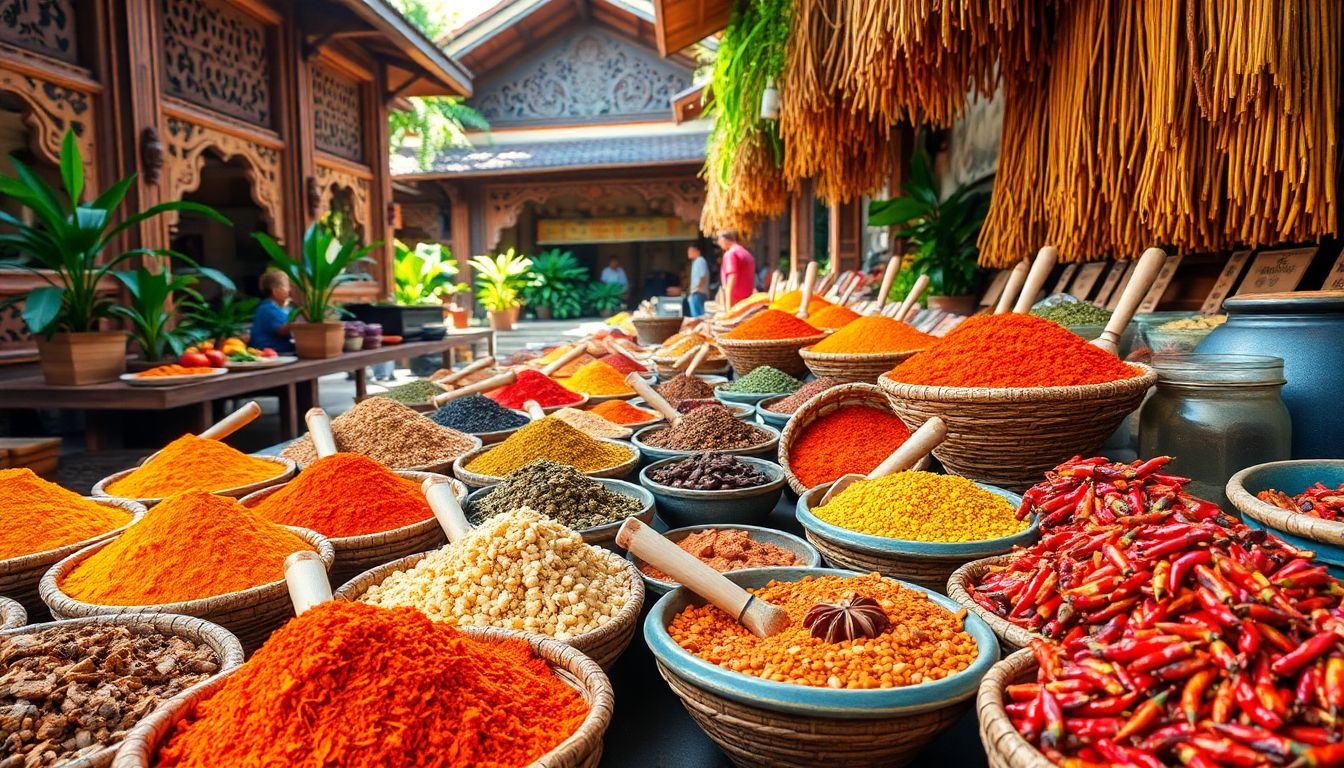
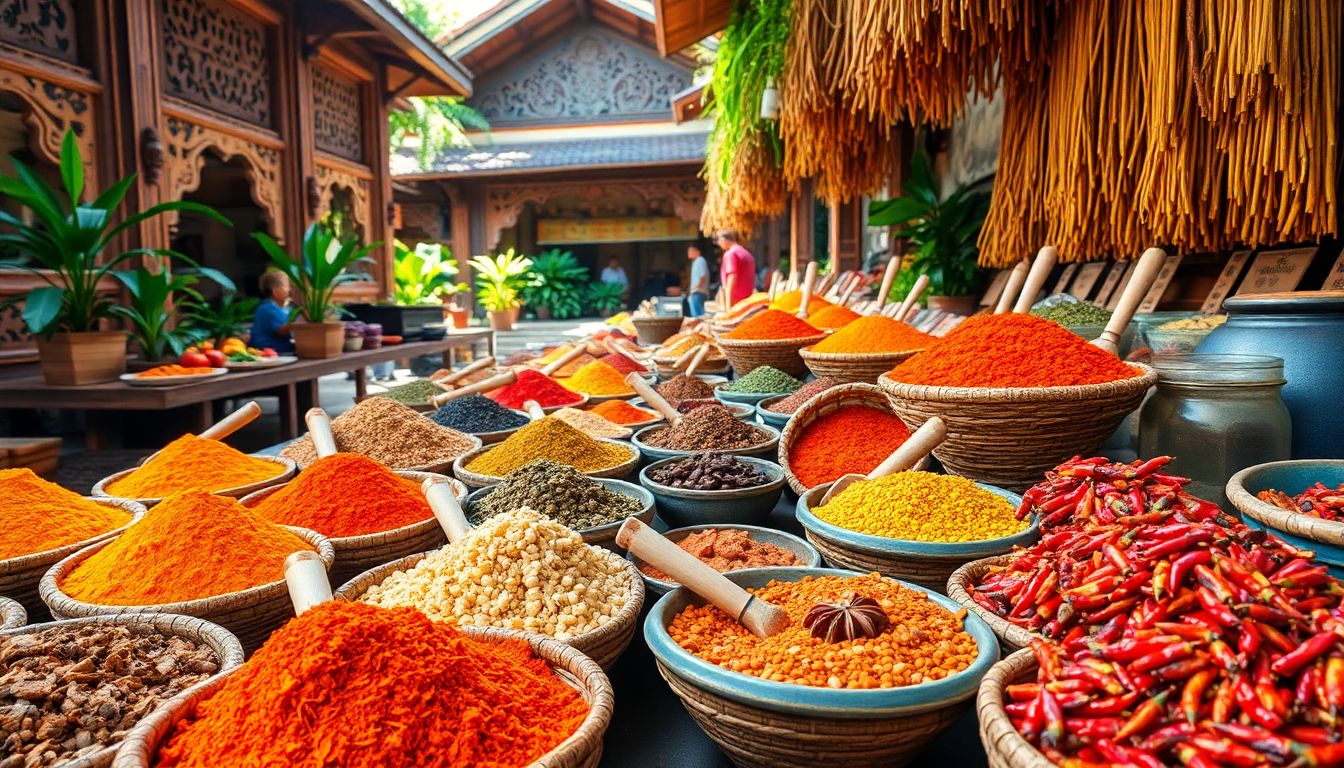
Indonesia works to promote its spice brands overseas. Food tourism through spice markets and cooking tours increases international visibility. This helps preserve traditional farming and culinary knowledge, turning spices into a cultural asset.
Conclusion
Indonesia’s spices are more than just ingredients—they’re part of its history, culture, and economy. The diverse and unique flavors continue to offer huge potential for growth, especially with sustainable practices. Whether you’re a foodie or a health enthusiast, exploring Indonesian spices unlocks a world of vibrant tastes and benefits. The future looks bright for these aromatic treasures, so why not discover what Indonesia’s spice islands have to offer?